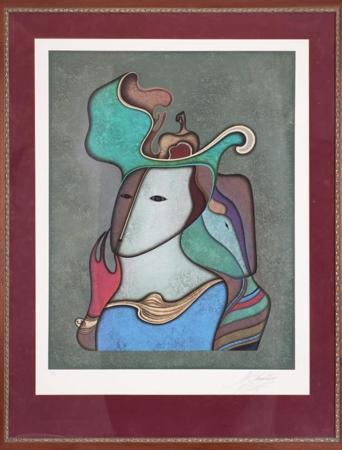
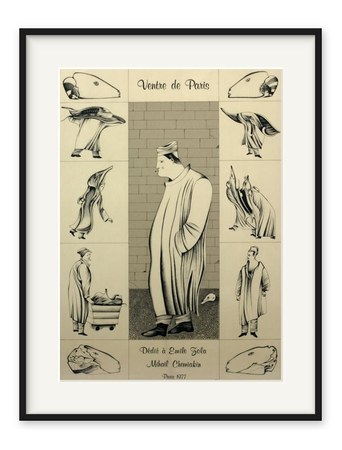
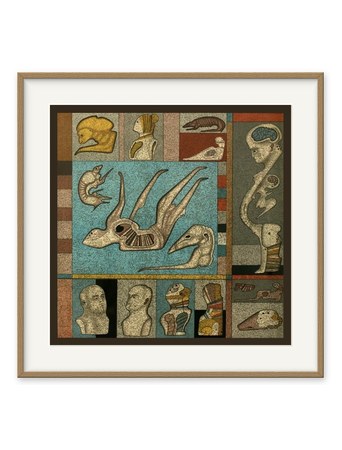
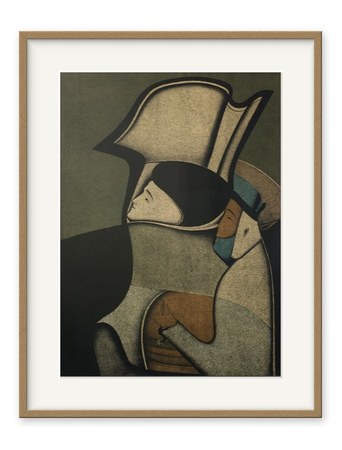
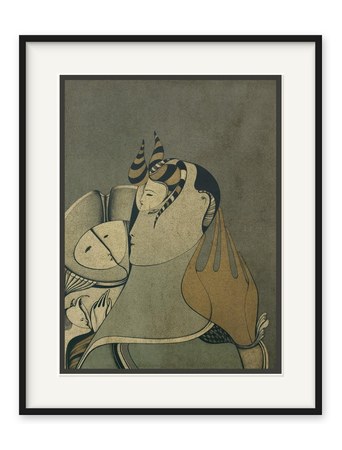
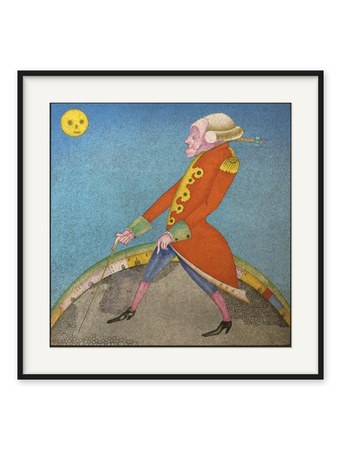
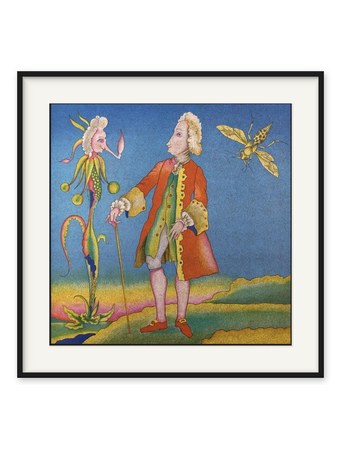
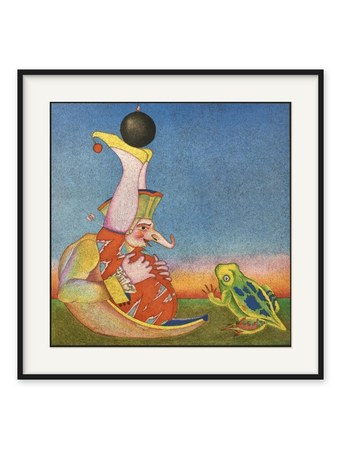
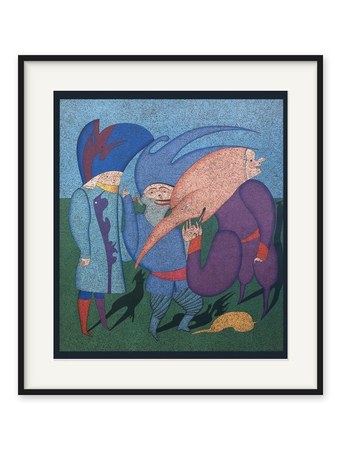
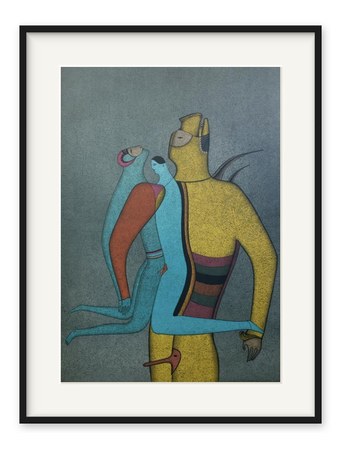
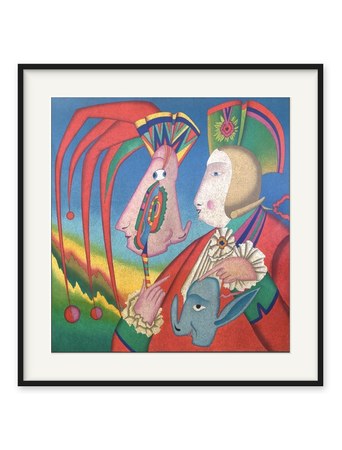
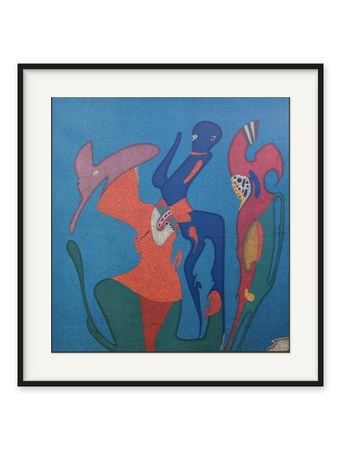
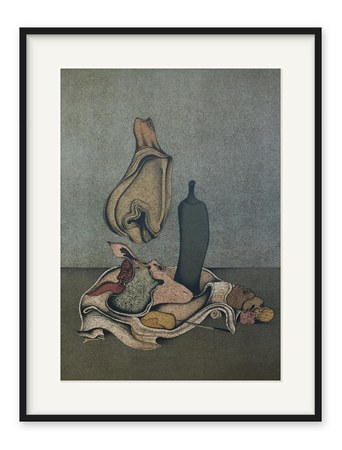
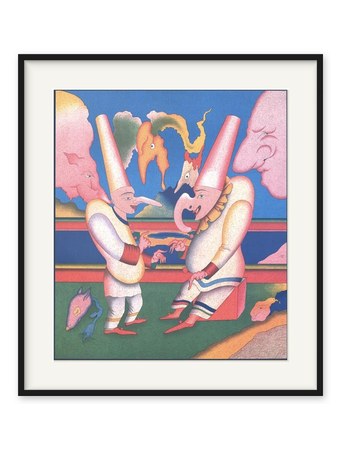
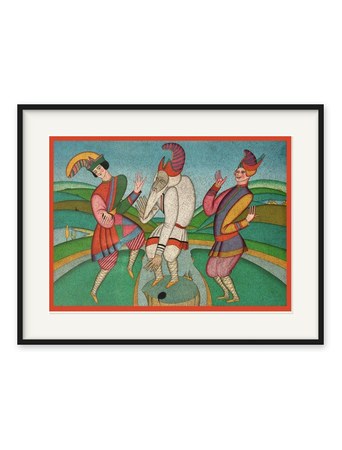
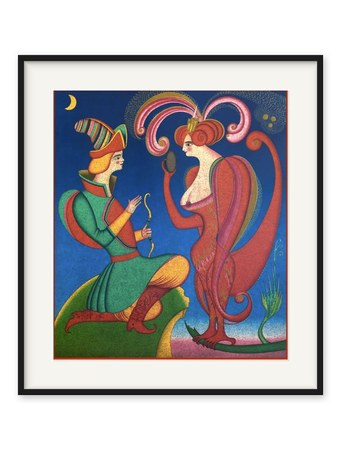
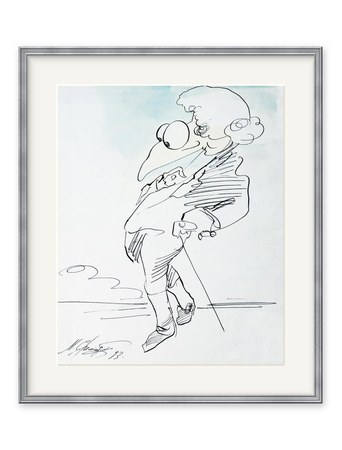
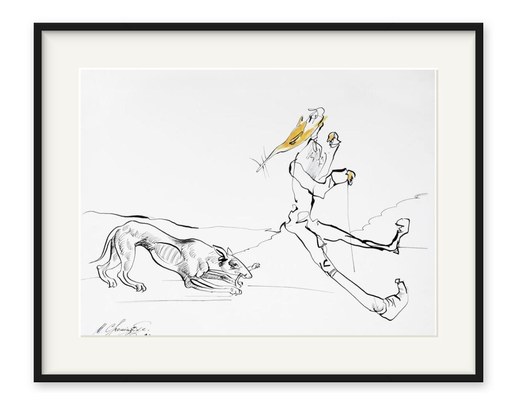
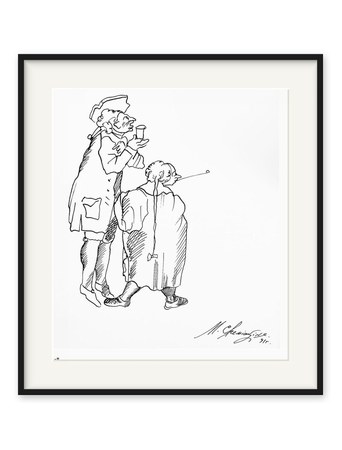
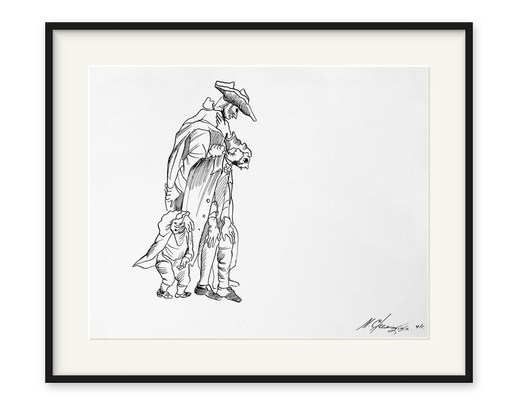
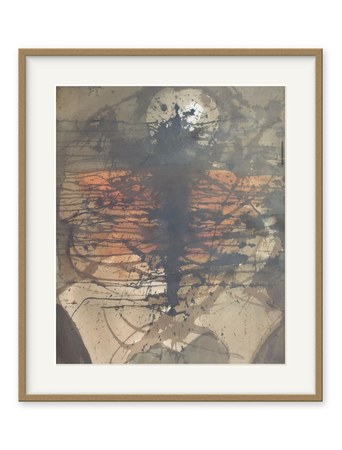
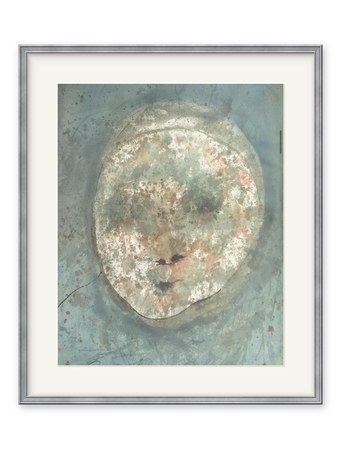
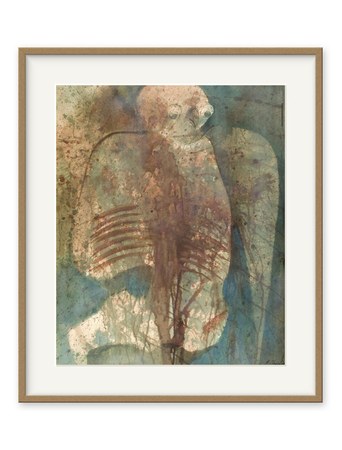
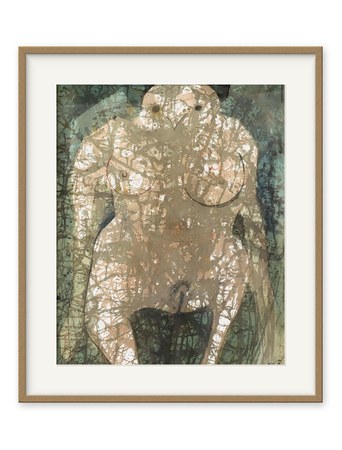
Mikhail Mikhailovich Shemyakin in the Don Foundation collection – 66 works: painting, graphics, prints, sculpture, decorative art. Help with the deal and delivery.
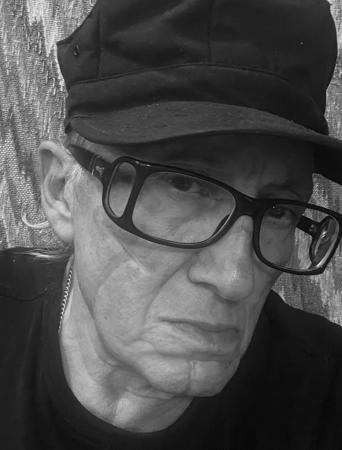
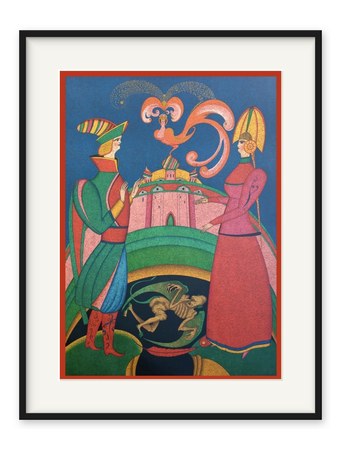
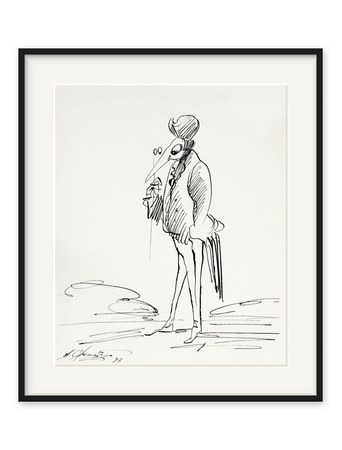
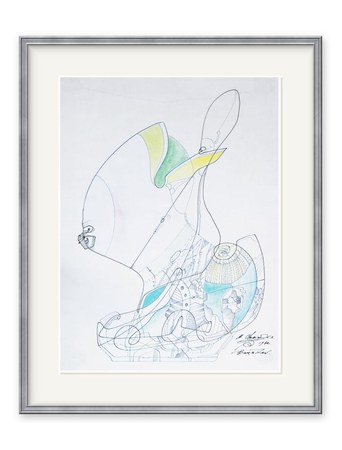
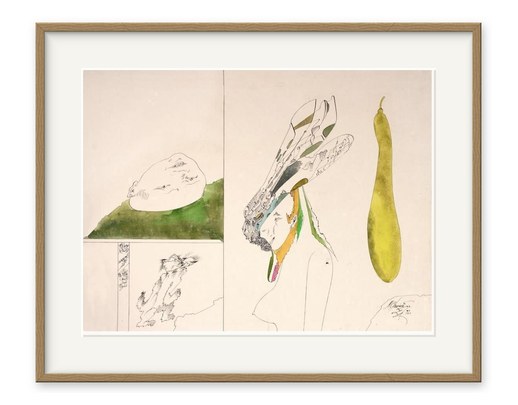
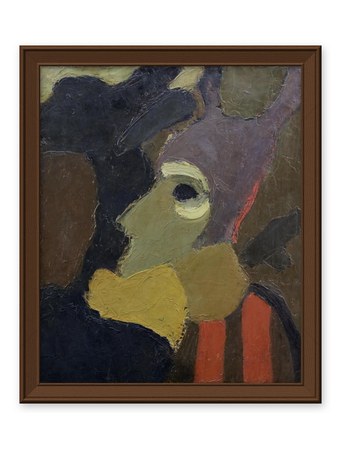
Mihail Chemiakin, also transliterated as Mikhail Shemyakin (b. 1943), is a painter, graphic artist and sculptor associated with the Leningrad nonconformist circle, who was forced to leave the USSR in 1971 and later worked in Paris and New York. The Don Foundation collection holds 66 works by the artist: painting, sculpture, original graphics, artist's prints and porcelain. Prices in this section: from 360 to 20 000 $; 144 000 € (some works are priced in euro). Below are the facts about the artist and about what the collection actually contains.
Mihail Chemiakin was born on 4 May 1943 in Moscow, into the family of an army officer. He spent his childhood in Germany, moved to Leningrad in 1957 and entered the secondary art school attached to the Repin Institute of Painting, Sculpture and Architecture, where he studied from 1957 to 1961 and from which he was expelled. During the 1960s he worked as a rigger at the Hermitage: on 30 March 1964 an exhibition of works by five members of the museum's maintenance staff opened there, Chemiakin among them. It was closed the following day, and the director of the Hermitage, Mikhail Artamonov, lost his post. In 1967 Chemiakin founded the artists' group Petersburg, and together with the philosopher Vladimir Ivanov he formulated the theory of Metaphysical Synthetism, a search for new form grounded in the study of religious art across periods and cultures. In 1971 he was forced to leave the USSR. He lived in Paris and moved to New York in 1981.
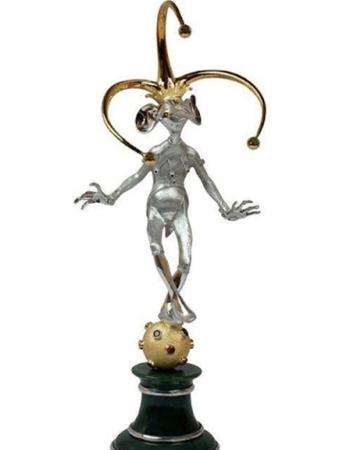
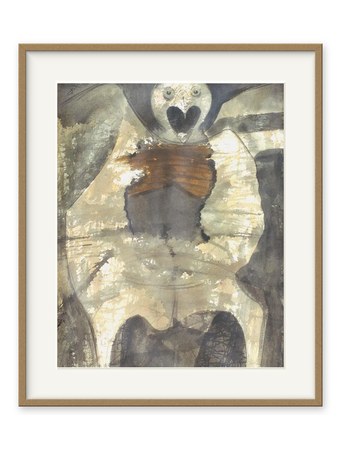
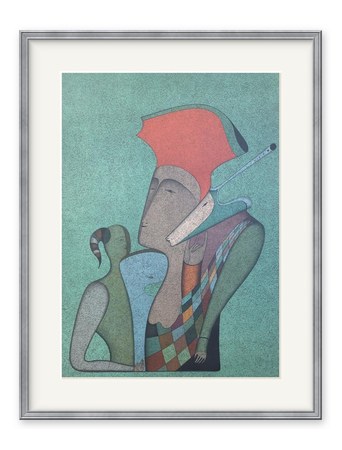
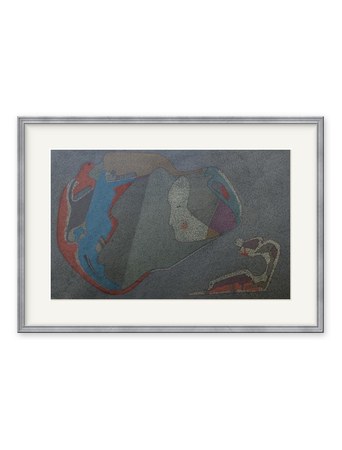
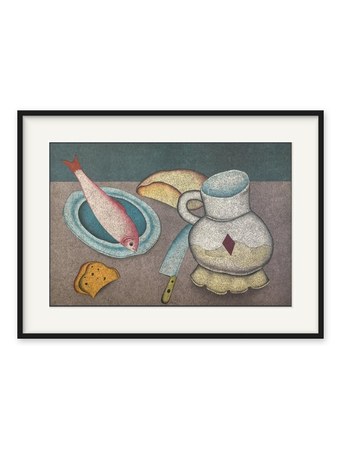
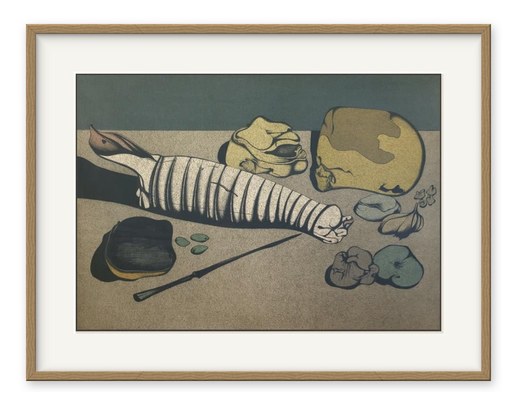
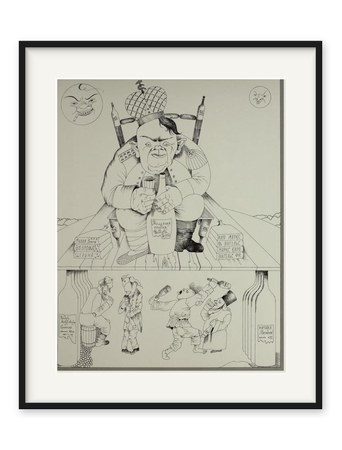
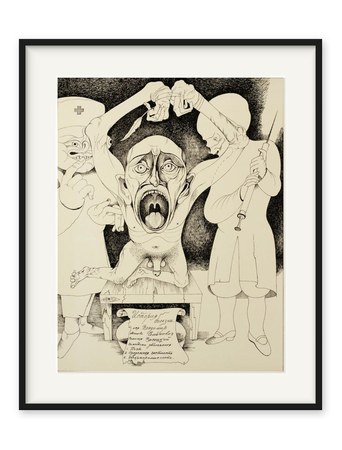
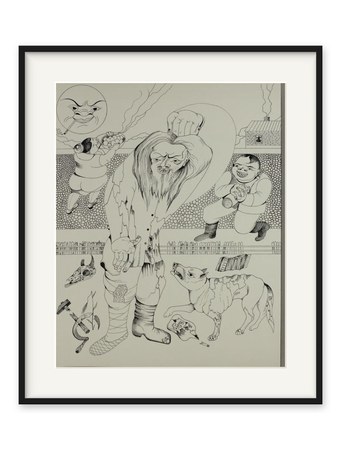
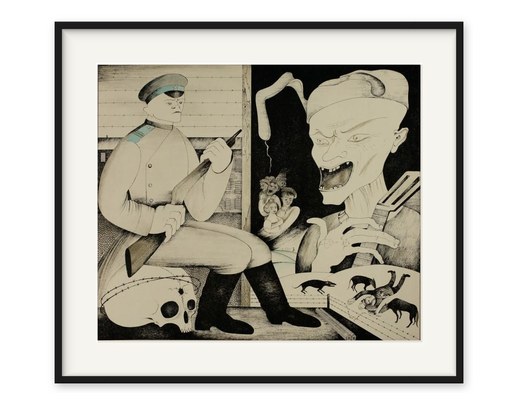
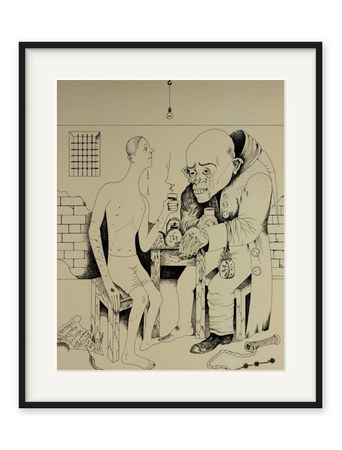
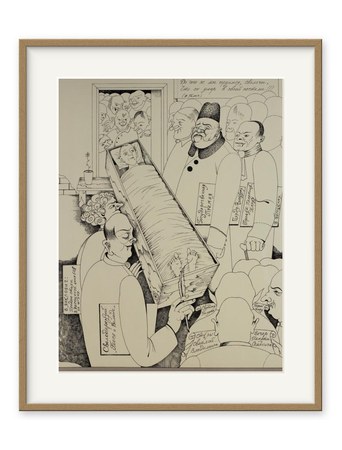
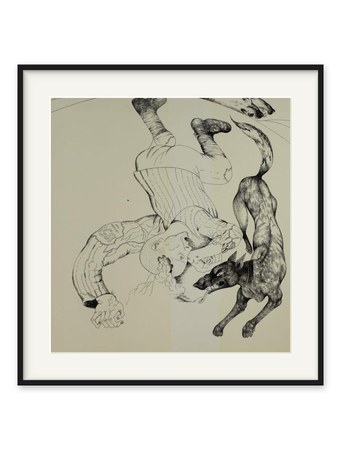
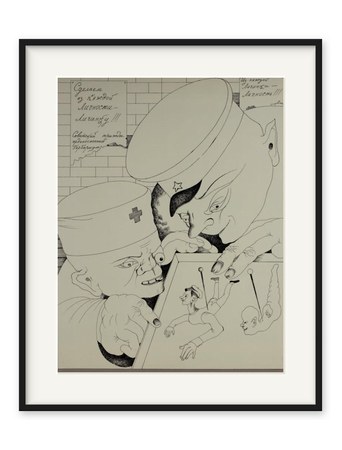
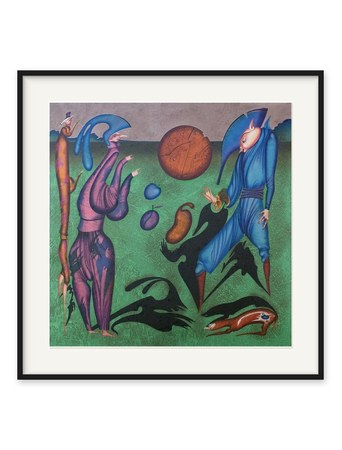
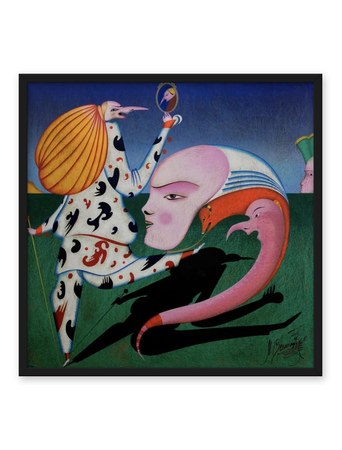
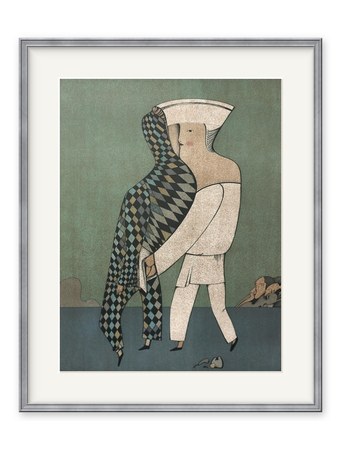
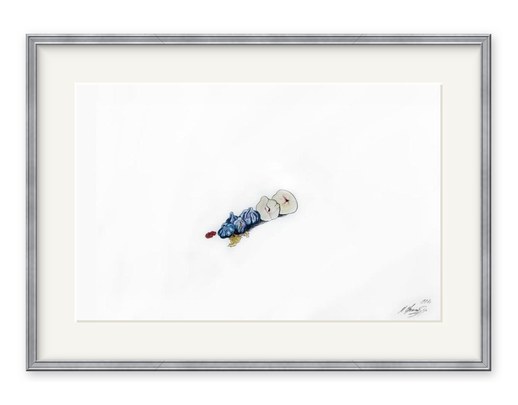
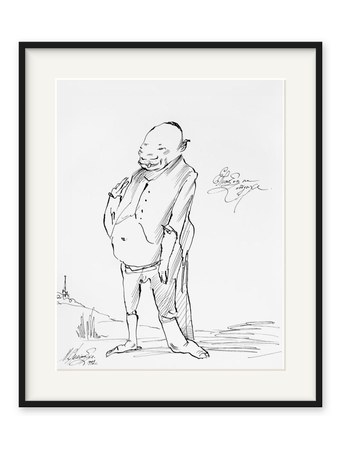
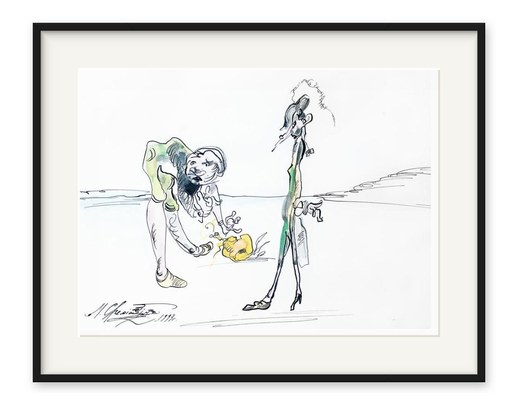
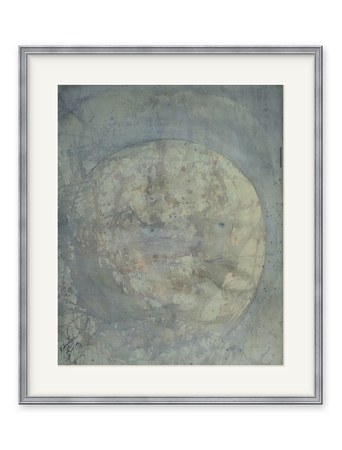
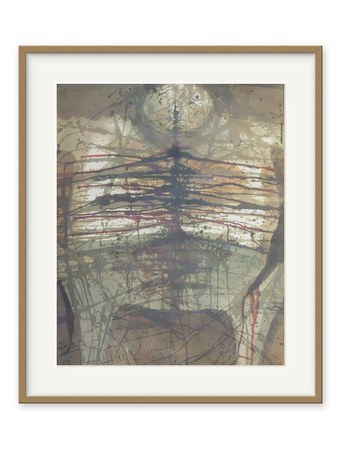
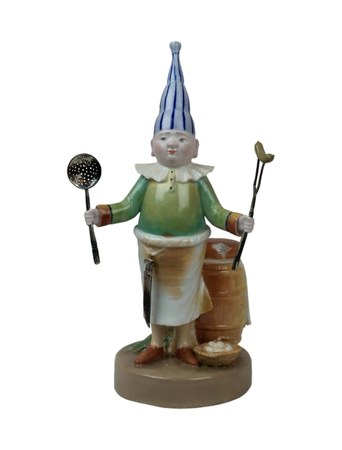
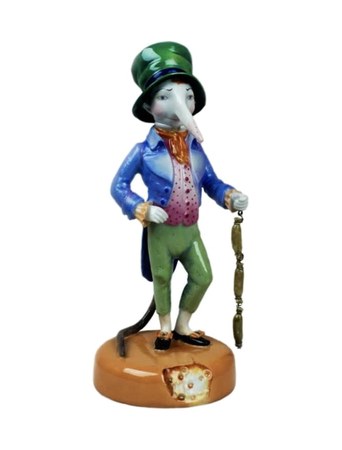
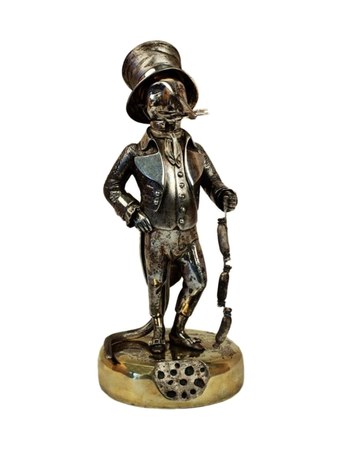
The Don Foundation collection holds 66 works by Chemiakin, and these are originals rather than photomechanical reproductions. The section includes painting, sculpture, original works on paper, artist's editioned prints and porcelain. In his case editioned printmaking is an autonomous artistic technique – lithography and serigraphy – and not a typographic copy of a painting. The porcelain comes out of the artist's long collaboration with the Imperial Porcelain Factory. Each catalogue entry states the artist, year, technique and dimensions where known, with details of any expert assessment.
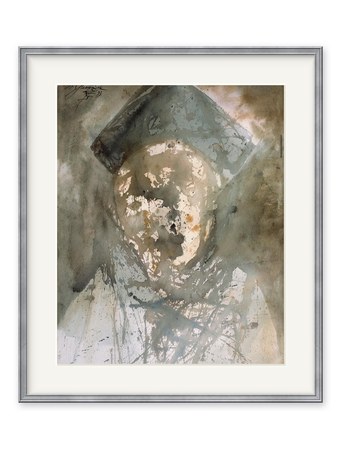
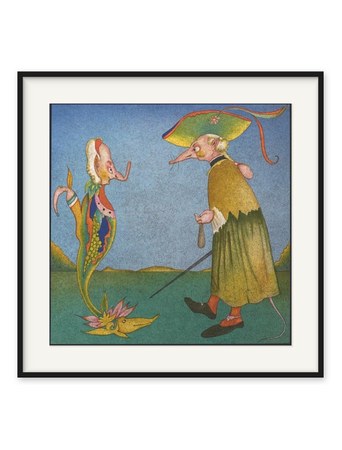
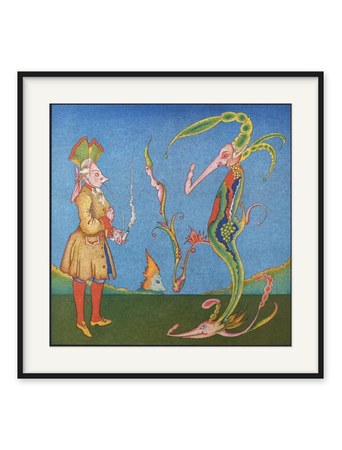
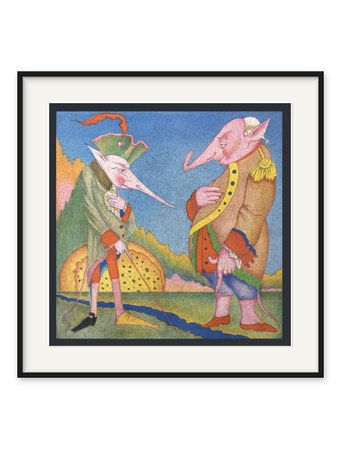
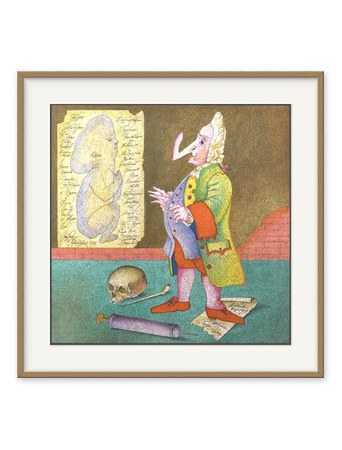
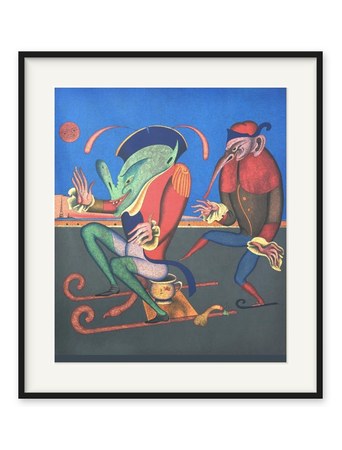
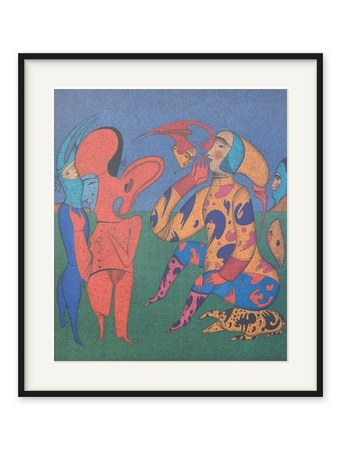
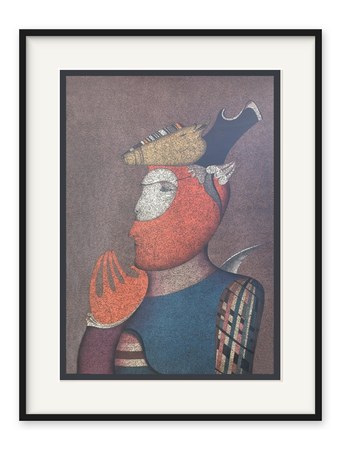
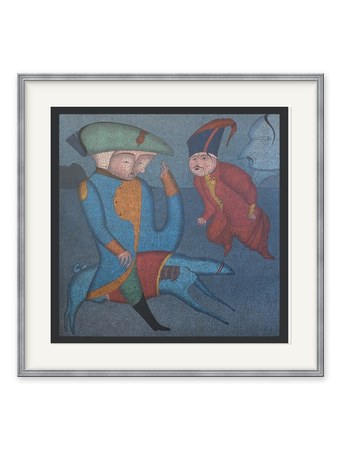
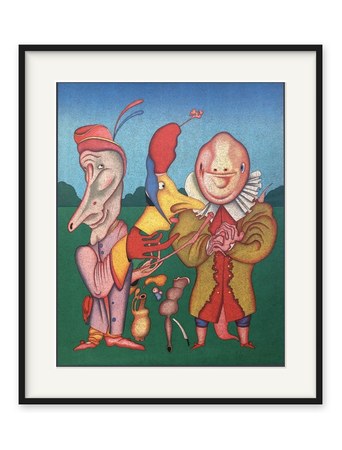
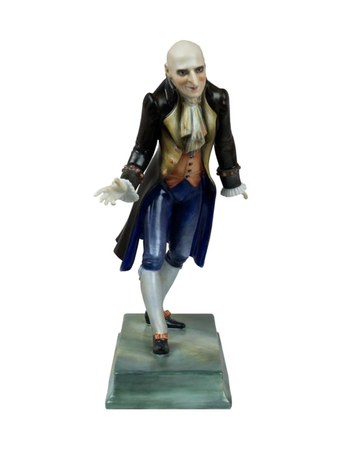
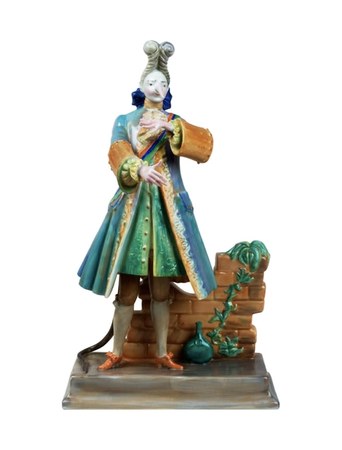
Carnival runs through Chemiakin's work as a continuous theme: the mask, the procession, the grotesque figure. From it grew the graphic cycle Carnival of St Petersburg and sculpture on the same subject; in our collection the theme is represented by a set of eight numbered figures. The same circle of work includes the series Metaphysical Heads, The Belly of Paris and Angels of Death. Metaphysical Synthetism is what binds these cycles together: an object in his work rarely remains an object from the real world and usually functions as a sign. That logic is hard to read from a single sheet – the motifs pass from print into sculpture and porcelain and are read together. Adjacent catalogue sections are contemporary art and Russian painting.
Beyond studio work, Chemiakin's name is attached to the monument to Peter I in the Peter and Paul Fortress (1991) and to the group Children are the Victims of Adult Vices on Bolotnaya Square in Moscow (2001), as well as to the production of The Nutcracker at the Mariinsky Theatre, which premiered on 12 February 2001. He is a laureate of the State Prize of the Russian Federation (1993), a Chevalier of the French Ordre des Arts et des Lettres (1994) and a recipient of the Order of Friendship (2009); in 2023 he was elected an honorary foreign member of the Russian Academy of Arts. His works are held by the State Russian Museum, the Moscow Museum of Modern Art and the Mariinsky Theatre, and St Petersburg is home to the Mihail Chemiakin Foundation and to the Mihail Chemiakin Centre, opened in 2017. Works from the collection can be acquired through online sales; the general procedure is set out under how to buy, and owners wishing to consign a work will find the terms under how to sell. The full list of artists in the collection is in the artists section, and the whole catalogue is here.
How many works by Mihail Chemiakin are in the Don Foundation collection?
The collection holds 66 works by the artist: painting, sculpture, original graphics, artist's editioned prints and porcelain. Prices in this section: from 360 to 20 000 $; 144 000 € (some works are priced in euro). The selection offered at any given sale varies, so check the current catalogue and the auction schedule.
Are these originals or reproductions?
Originals. The paintings and works on paper are unique pieces. The prints are artist's editioned graphics (lithography and serigraphy), an autonomous printmaking technique rather than a photographic copy of a painting. Every entry states technique, year and dimensions where known, with details of any expert assessment.
What are the Carnivals of St Petersburg?
Carnival is a continuous theme in Chemiakin's work, and it produced both the graphic cycle Carnival of St Petersburg and small-scale sculpture on the same subject: masks, processions, grotesque figures. In our collection the theme is represented by a set of eight numbered figures, by lithographs and by a drawing from the cycle – they are gathered in the selection devoted to the cycle, and the set has a page of its own.
What is Metaphysical Synthetism?
It is the theory Chemiakin formulated in the second half of the 1960s together with the philosopher Vladimir Ivanov. It rests on the study of religious and traditional art from different periods and cultures and on the search for new form through the joining of opposites. In practice it means that an object in his work almost never stays an object from the real world and is read instead as a sign.
How do I buy a work by Chemiakin, or consign one?
A work can be bought at the price on its card, or in the auction house's online sales if it is up for auction; viewing in person can be arranged by agreement. The bidding procedure is described under how to buy, and upcoming and past sales are listed under auctions. If you own a work by Chemiakin and wish to sell it, start with how to sell: we will ask for photographs and any documents relating to provenance.
Author:
Series:
Year:
Technique:
Size:
Expertise:
Add to cart
sign in
Forgot password?
Create account
Registration
Leave a phone number or an email – whichever suits you. Without an email you cannot reset your password or receive order emails; you can add one later in your account.
Forgot password
Forgot your password? Enter your email address and we will send you instructions to set a new password.
Forgot password
A password recovery email has been sent.
Forgot password
Forgot password
New password saved
Sign in
Confirm your password
Your phone number and email are used to sign in, so please enter your current password to change them.
Request item
Request received. We will send the price and payment details to your account, in the “Chat with store” tab, and also by email if your account has an email address.
Your request has been received. We will email you the price of this work.
Request item
Leave your name and email – we will email you the price of this work. No account needed.
Or sign in – then the reply will also come to the store chat: