






Ru/Eng
Search Profile Favorites Cart
Auctions Gallery Artists About Publishing Blog Collaborate Help
Ru/Eng
₽€$

Faience from the Don Foundation collection – painted decorative art objects.

Make an inquiry

Faience

Faience differs from porcelain in its more porous, opaque body and is usually glazed and painted. The selection gathers decorative art objects from the collection; period, mark and condition, where known, are given in the item's description.

14 works in the collection. Prices: from 40 to 290 $

No author

Faience is ceramic with a porous, opaque body covered in glaze and painting. It differs from porcelain in composition and firing: porcelain sinters into a dense, slightly translucent mass, while faience stays porous and opaque, so faience pieces are usually thicker and heavier than porcelain of the same size.

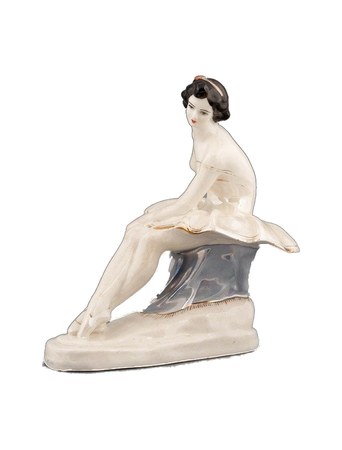
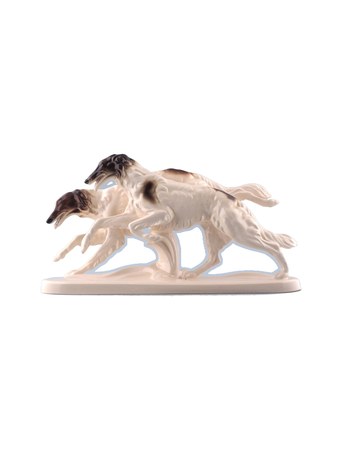
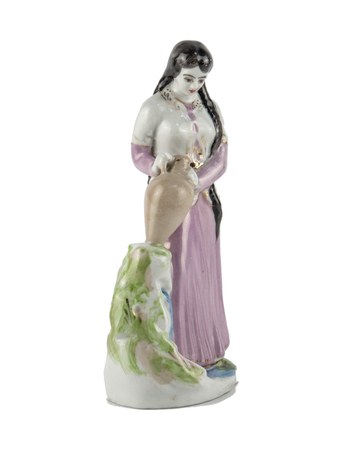
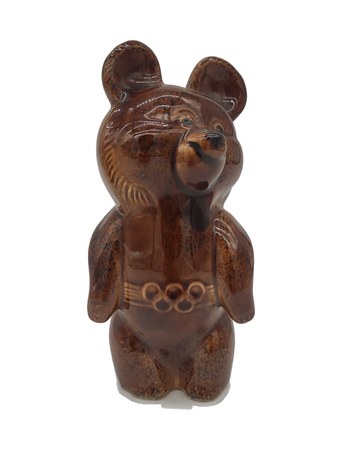
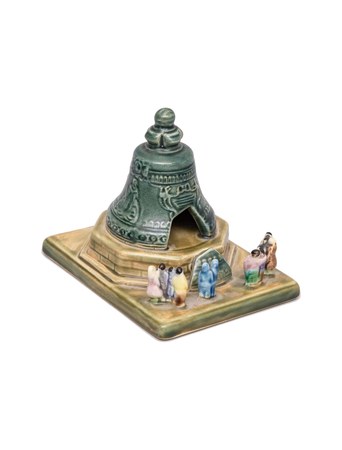
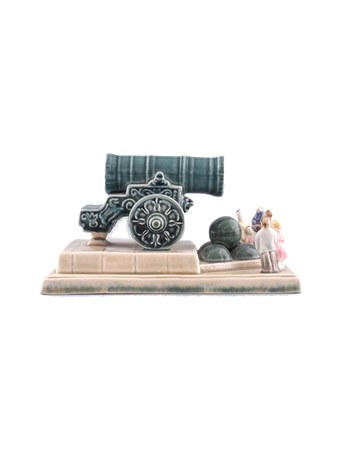
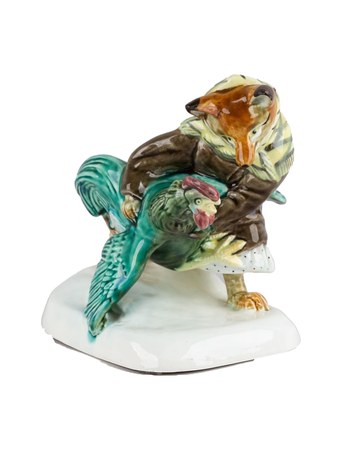
The selection holds 14 works, priced from 40 to 290 $ – painted ware and figures from Soviet factories, chiefly the Konakovo faience works, one of Russia’s oldest ceramic producers.

As with porcelain, maker and period are read from the mark on the base. Small glaze chips and rubbing are usual for faience half a century old; everything known is on the card.

See also: How to buy a work of artOnline auctionArt auction

Questions and answers

How does faience differ from porcelain?

In body and firing. Porcelain is dense and slightly translucent; faience is porous and opaque, and therefore thicker and heavier at the same size.

What do faience pieces cost?

The range is from 40 to 290 $, depending on factory, period, model and the condition of glaze and painting.

How is the maker identified?

By the mark on the base, as with porcelain.

What is in the selection?

14 works: painted faience ware and figures from Soviet factories, chiefly Konakovo.

What condition is normal for faience?

Small glaze chips, hairline cracks and rubbed painting are usual for pieces 50–70 years old.